
Okay, so check this out—I’ve been jugglin’ wallets for years. Wow! Some days it felt like herding cats. Seriously? Yes. Wallets that promised simplicity often hid trade-offs: poor dapp compatibility, weak transaction previews, confusing approvals. At first I thought that browser extensions were the end-all. Initially I thought extensions were good enough, but then realized that real DeFi work demands clearer tooling and less guesswork.
Here’s what bugs me about most wallets. They show balances, sure. But they don’t simulate transactions well. They don’t tell you how a multiswap slippage chain could fail before you sign. My instinct said “this is dangerous” the first time I watched a swap misfire and drain gas fees for no result. Hmm… that was rough.
So I started hunting for a wallet that treated transaction simulation as a first-class feature. I wanted robust portfolio tracking too—something that could surface impermanent loss, staking positions, and cross-chain tokens without me doing spreadsheet yoga. Something that made on-chain actions legible; not just pretty numbers, but actual, predictable outcomes. On one hand most wallets are set up for onboarding newbies. On the other, power users need tools that help them avoid mistakes. Though actually, you can do both—if the UX is smart.
How transaction simulation changes the game
Transaction simulation is small in concept. But it’s huge in practice. Whoa! Before simulation I once approved a token that had a hidden transfer hook. Bad. After that, my workflow shifted. I started simulating every complex operation. Simulations let you see potential state changes, gas estimates across EVMs, and failure points—before you hit submit. That means fewer surprise reverts, and far fewer wasted gas fees. I’m biased, but simulation should be standard. It protects novices and pros alike.
Okay, here’s a frank observation: most people assume a swap is atomic and simple. Really? Nope. Multi-hop swaps, allowance checks, and contract-side requirements can introduce failure. My habit now is to test-run the whole path. Initially I thought I could eyeball a route. Actually, wait—let me rephrase that: eyeballing sometimes works, but simulation is the safety net that prevents a costly mistake. Somethin’ about seeing the sequence in a clear, line-by-line way reduces stress.
Look—for portfolio tracking I need historical context. Short-term gains are great, but I want to know how positions performed across chains and pools. A good tracker aggregates tokens, shows unrealized P&L, and connects to on-chain data without asking me to trust another custodial service. The best ones let you tag positions, export snapshots, and dig down into the transaction that created a token balance. Very very important for anyone doing yield strategies.
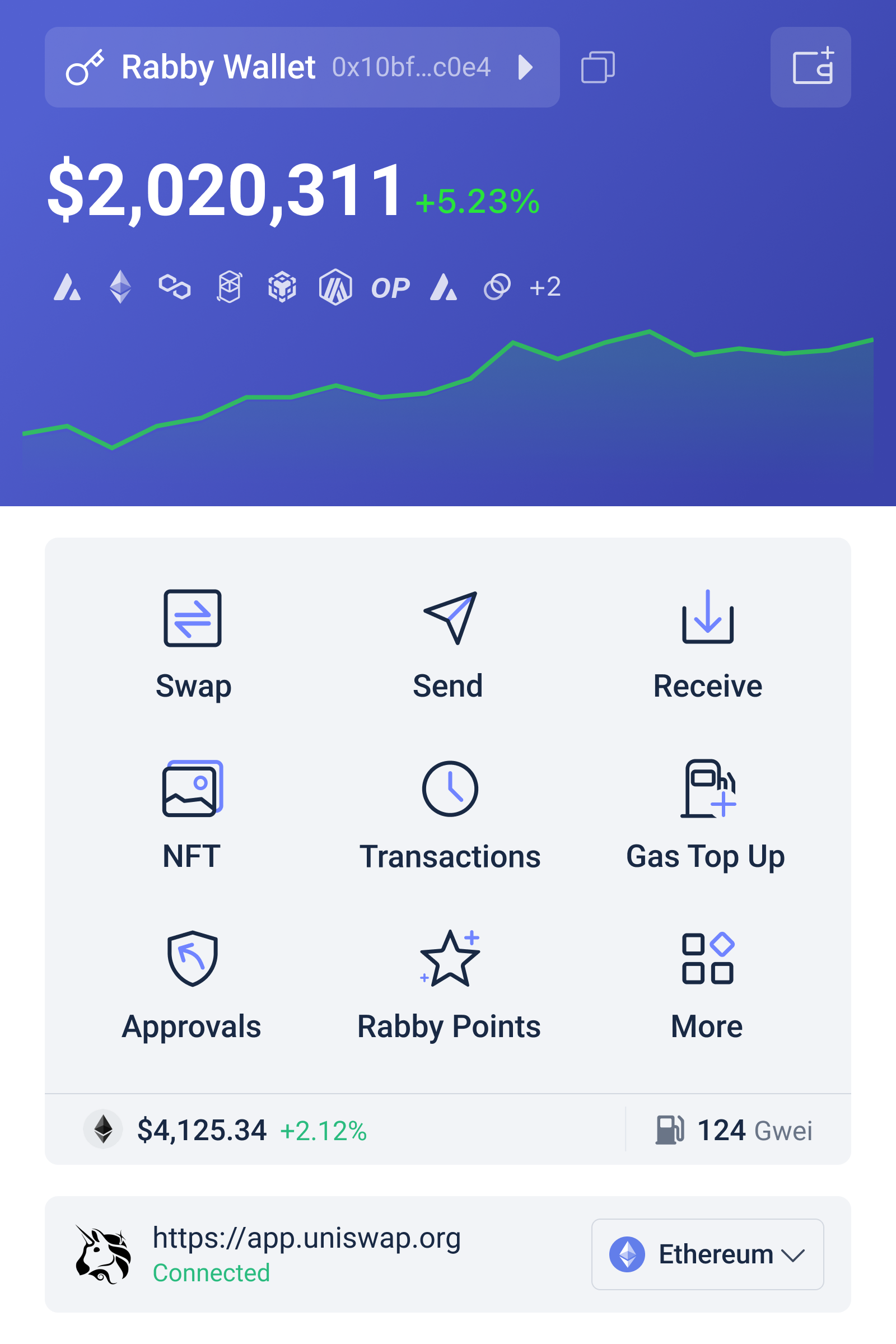
That’s why I started using Rabby. It’s not flashy for flash’s sake. It puts simulation and a clean approvals UI front and center. Check the link if you want to try it out: https://rabby-wallet.at/ I like that it surfaces risk signals before I approve. Also, the portfolio view ties everything together across multiple EVMs, and it’s responsive—no laggy load screens. On another note, I’m not 100% sold on every single feature, but the core safety ideas are solid.
One thing that surprised me—Rabby’s transaction simulation often reveals hidden gas spikes. Hmm… that saved me once when a router had a temporary fee hike mid-routing. The UI explained the variance, and I canceled the action. That calm prevented a thunk of regret and a small but avoidable hit to my wallet. On the flip side, not every simulation is perfect; occasionally it misses a rare reentrancy-like behavior. So I still cross-check for high-value ops. Balance, right?
Let’s break down actual behaviors I changed.
First: I stopped approving infinite allowances by default. Short sentence.
Second: I simulate multi-swap routes. Third: I track positions in a single pane. And fourth: I rely on granular approval controls; revoking is easy when needed. These steps lowered my exposure to smart-contract surprises. On one hand it added a slight time cost; on the other, it reduced risk in a way that felt worth it.
Also—security hygiene matters. Rabby offers an approvals list that reads like a ledger. You can see which contracts can spend which tokens and revoke them. My workflow incorporated weekly reviews. Initially I thought weekly was overkill. But after an airdrop contract incorrectly interacting with my approvals, I realized weekly checks are smart. Little chores like that save headaches.
Now, a quick tangent (oh, and by the way…): DeFi is still early. People rush in from retail channels without understanding composability risks. That includes meta-transactions, permit flows, and delegate calls that bounce through several contracts. A wallet that flags unusual patterns—especially ones based on simulation—gives you time to think. And thinking is underrated.
Another real-world note: mobile and desktop flows differ. I do most heavy lifting on desktop. Mobile is for quick checks. Rabby’s cross-device design means I can glance at a portfolio on my phone and not get false confidence. The fidelity of data is consistent. That consistency builds trust. Trust matters—maybe more than UI gloss.
I’ll be honest: no wallet is a silver bullet. Threat models vary with user habits. If you’re a frequent trader, different features matter than if you hold long-term. You still need safe seed management, hardware signers for big positions, and good key backups. But the wallet can reduce everyday friction and exposure. That reduction compounds over months.
One more honest admission: some parts of my workflow are a carryover from personal bias. I like data. I like being able to drill down into a failure. So I favor tools that are transparent even if they add a click or two. That might annoy some folks. That’s fine. Everyone builds habits.
FAQ
Is transaction simulation reliable?
Mostly. Simulations model state transitions based on current chain data and available RPC info. They catch most reverts, gas spikes, and allowance issues. But they aren’t omniscient; they can’t predict oracle updates that happen between simulation and execution or front-running that shifts on-chain state. Use simulation as a risk reducer, not as an absolute guarantee.
Can a wallet like Rabby replace hardware security?
No. Hardware wallets still provide superior key isolation. What Rabby and similar tools do is improve the decision layer: clearer previews, approvals management, and portfolio insights. Combine both for better safety: hardware signer for keys, advanced wallet for workflow and simulation.
Will this slow down power users?
It can add a step, yes. But in practice, simulation speeds up recovery from errors and reduces wasted gas, which more than pays back the time. For high-frequency traders, automation and smart defaults help. For everyone else, a small pause is worth it.
