
Okay, so check this out—I’ve been living in the Solana ecosystem for a while now, and browser wallets like Phantom are part of my daily toolkit. Whoa! They make onboarding ridiculously simple. But here’s the thing. Convenience has a cost, and sometimes that cost is subtle risk that creeps up slow. Initially I thought browser extensions were basically safe if they came from a familiar name, but then I started noticing weird permission prompts and sketchy pop-ups on new dApps. Actually, wait—let me rephrase that: my gut said somethin’ felt off whenever an unfamiliar page asked to connect, even if the wallet UI looked normal.
Short version: Phantom is great. Really? Yes. And also, treat it like a keychain you keep in the front pocket, not the back of a pickup. Medium-term use has taught me what to trust, when to be skeptical, and how to layer protections. On one hand, Phantom’s UX is near-perfect for NFTs, swaps, and connecting to Solana apps. On the other hand, browser extensions are exposed to the browser environment—so they’re only as safe as your habits and the pages you visit.
My instinct said: lock down your seed phrase, enable a password, and don’t click every “Connect Wallet” button. On the technical side, Phantom signs transactions locally and doesn’t ship your private key off to servers. But, though actually this is reassuring, a signed malicious transaction is still a signed malicious transaction. So I learned to read transaction previews. I don’t always catch everything—nobody’s perfect—but I try. Here’s what I wish I had known earlier, and what I check now before trusting any Solana browser extension.
What Phantom does well (and what bugs me)
Phantom nails the onboarding flow. The UI is clean. Wow! Creating an account, adding tokens, and toggling networks is straightforward. Medium sentence: you can be up and running in minutes, which is both awesome and dangerous if you’re new and overconfident. Longer thought: because the experience is so smooth, people sometimes skip basic verification steps—like confirming extension source, checking for typos in domain names, or verifying the extension ID—and that’s how social engineering gets traction.
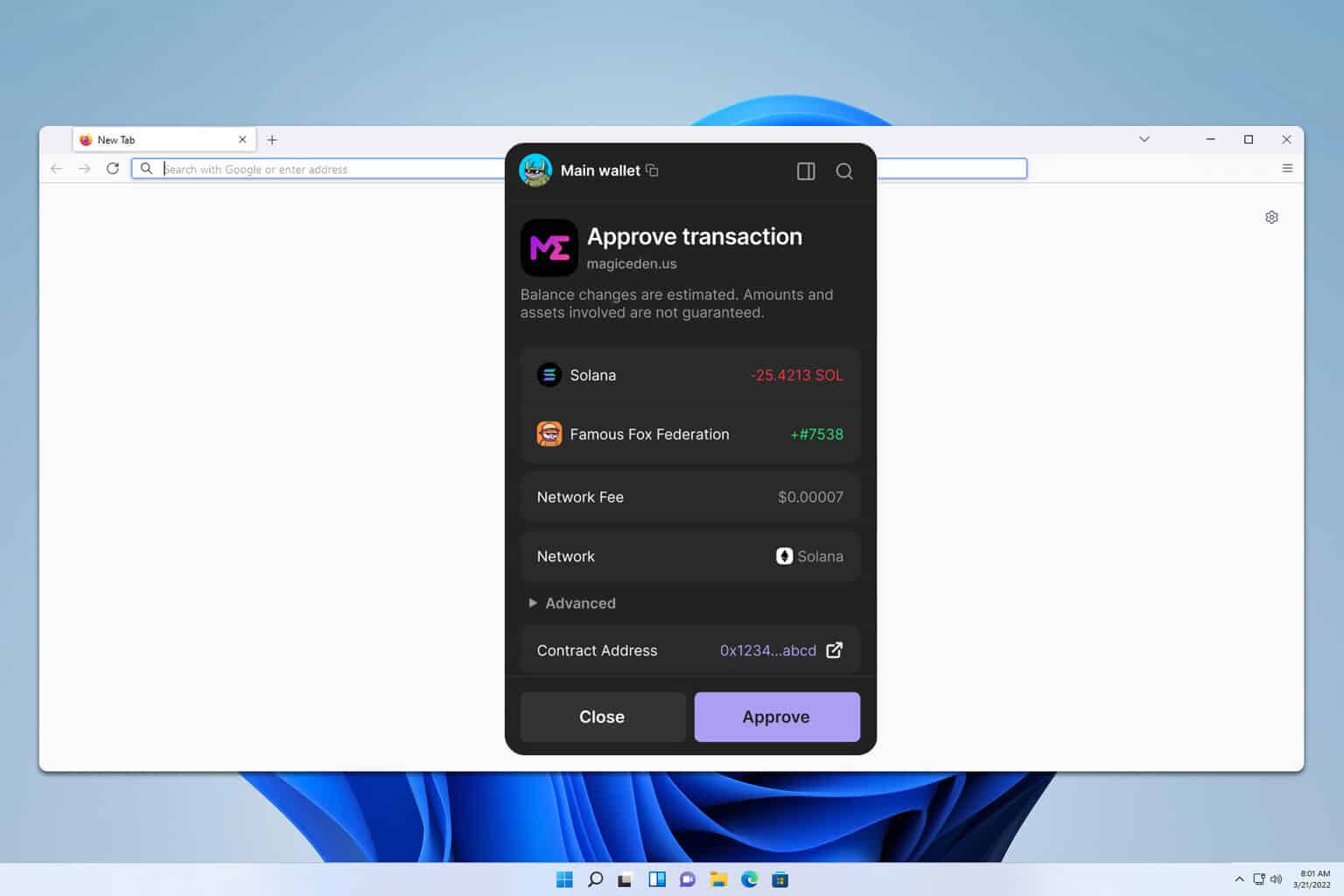
Here’s what I like: integrated swap, NFT gallery, hardware wallet support, and a clear transaction prompt that shows which program will be invoked. Here’s what bugs me: some dApps obfuscate what a transaction will do, and the wallet UI can’t always surface every piece of context. I’m biased, but UX-first wallets like Phantom can lull you into an easy-click mentality. Also, those “approve this transaction” pop-ups can be long and technical; if you don’t pause, you might miss that you’re approving a token approval forever. Really important: treat approvals like giving a permission slip. Read the permissions. If something looks unlimited, say no.
Security checklist — the practical stuff I actually follow
Whoa! This list is short and effective. First: never store your seed phrase in plain text on a laptop or cloud note. Seriously? Yes. Use a hardware wallet for large balances. Second: install extensions only from trusted sources. Third: audit which dApps have approvals and periodically revoke ones you don’t recognize. On one hand this takes 5–10 minutes. On the other hand, it’s saved me from potentially bad approvals twice now. I’m not 100% sure why more people don’t do this, but there you go.
Practically speaking, I do these steps:
- Download the extension from a verified source and confirm the publisher (double-check the extension ID, if you’re comfortable).
- Set an extension password and enable whatever lock features are available.
- Use a hardware wallet for cold storage; connect it only when you need to transact.
- Review transaction details—program ID, instruction types, and token accounts—before approving.
- Revoke token approvals periodically and after interacting with unfamiliar dApps.
Oh, and by the way… if something tries to request an “approve all tokens” or “transfer on behalf” permission, slow down. Take a breath. This part bugs me because it’s such a simple avoidable risk, and yet people hand out broad permissions like candy.
How to verify you’re getting the real Phantom
First impressions matter. When you search for “phantom” in the extension store, you might see clones. Hmm… that made me paranoid at first. So here’s my step-by-step method, which is practical and doesn’t require rocket science: check the publisher name, read reviews (watch for similar phrasing in fake reviews), and confirm the extension ID from Phantom’s official channels if you can find it. If you don’t want to chase details, download from the official site or the top-ranked app store listing—but don’t just trust search results blindly. I’m not perfect, but these checks have caught sketchy copies for me.
Be careful with download links on social media. Scammers love that vector. If someone DMs a “quick install link”—delete it. No exceptions. My rule: if you didn’t seek it, don’t click it.
And yes, I put the pragmatic option here: if you’re looking for a place to start, check out phantom as one of the reference points—but cross-verify on the official app store and Phantom’s official communications. I’m telling you this because I’ve seen attackers replicate clean pages that look legit at a glance.
Common mistakes I see folks make
1) Approving everything. That one kills me. 2) Storing seed phrases in inboxes or cloud notes. Why would you do that? 3) Using a single password everywhere (we all slip). 4) Ignoring hardware wallet options until a loss happens. Repetition helps: check approvals, revoke frequently, and treat your wallet like money—because it is.
On one hand, wallets have become more user-friendly, which grows the ecosystem. On the other hand, easy UX + complex on-chain logic means users can approve unintended actions without understanding the implications. There’s your tension. I try to help friends by walking them through a mock transaction so they can see where the risky bits hide.
FAQ
Is Phantom safe to use as a primary wallet?
Short answer: yes for everyday use, but not for storing large amounts long-term. Use Phantom for daily dApp interactions and a hardware wallet for cold storage. Also use strong device hygiene—keep your OS and browser up to date, and avoid clicking unknown links.
How do I recover if I think my wallet is compromised?
Immediately revoke approvals, move any remaining safe funds to a new wallet (create a fresh seed phrase), and treat the old seed as compromised. If large amounts are at stake, consider consulting a security-savvy friend or a reputable service—though I’m not a lawyer or an emergency hotline. I’m just saying what I’ve done and seen work.
Can I use Phantom with a hardware wallet?
Yes. Pairing Phantom with a hardware device adds a critical layer of security because signing occurs on the hardware device rather than the browser. It’s not hassle-free, but for larger balances it’s a must. Worth the extra two minutes each transaction.