
Okay, so check this out—I’ve been poking around Solana wallets for years, and Phantom keeps pulling me back. Wow. The first time I opened it, something felt off about the usual crypto wallet clunkiness. But then, bit by bit, it started to make sense: clean UI, fast confirmations, and NFT gallery that doesn’t make you want to rage-quit. My instinct said this would be one of those nice-to-haves. Actually, wait—let me rephrase that: it quickly became a must-have for Solana work and play.
Seriously? Yes. Phantom started as a browser extension and grew into the go-to place for people who buy, swap, stake, and collect on Solana. On one hand, it’s simple enough for a friend who’s just getting their first NFT. On the other hand, it’s robust enough for someone doing DeFi moves throughout the day—though actually, there are trade-offs to know about.
Here’s what bugs me about some wallets: they promise security but make onboarding painful, or they make onboarding easy but hide advanced controls. Phantom mostly nails both ends, but it isn’t perfect. For instance, the desktop extension is smooth, but if you start connecting a Ledger there are a few extra steps that could be clearer. Still, for everyday NFT browsing and quick swaps, it’s hard to beat.
Why Phantom resonates with the Solana crowd
First impressions matter. Phantom’s design reads fast: token balances, a compact activity log, and an NFT tab that actually displays art the way it should be shown. The UX choices reflect people who use crypto, not just build theory. And the speed of Solana helps—the wallet doesn’t make you wait for on-chain confirmations the way older chains do.
My gut told me early on that Phantom was built with both collectors and traders in mind. On the collector side, the NFT gallery is intuitive; you can see metadata, list items, and open links to marketplaces without hunting around. For DeFi folks, the built-in swap (and integrations with popular DEXes) makes moving between SPL tokens straightforward—which saves time and gas-like annoyances.
But this isn’t a puff piece. Initially I thought Phantom’s simplicity might limit advanced use cases. Then I realized the extension purposefully keeps complex features tucked behind clear labels, and when you need them, they’re there—like Ledger support and the ability to connect to third-party dApps safely. On balance: user-friendly without being dumbed down.
Security and recovery: the practical stuff
Let’s be blunt. Your wallet is the keys to your crypto kingdom. Phantom offers a seed phrase backup and supports hardware wallets (Ledger), which is major. Something felt off about early wallet providers who treated seed phrases like afterthoughts. Phantom doesn’t. It walks you through creating and saving your recovery phrase. Still, write it down offline—do not screenshot it or store it in cloud notes. Seriously.
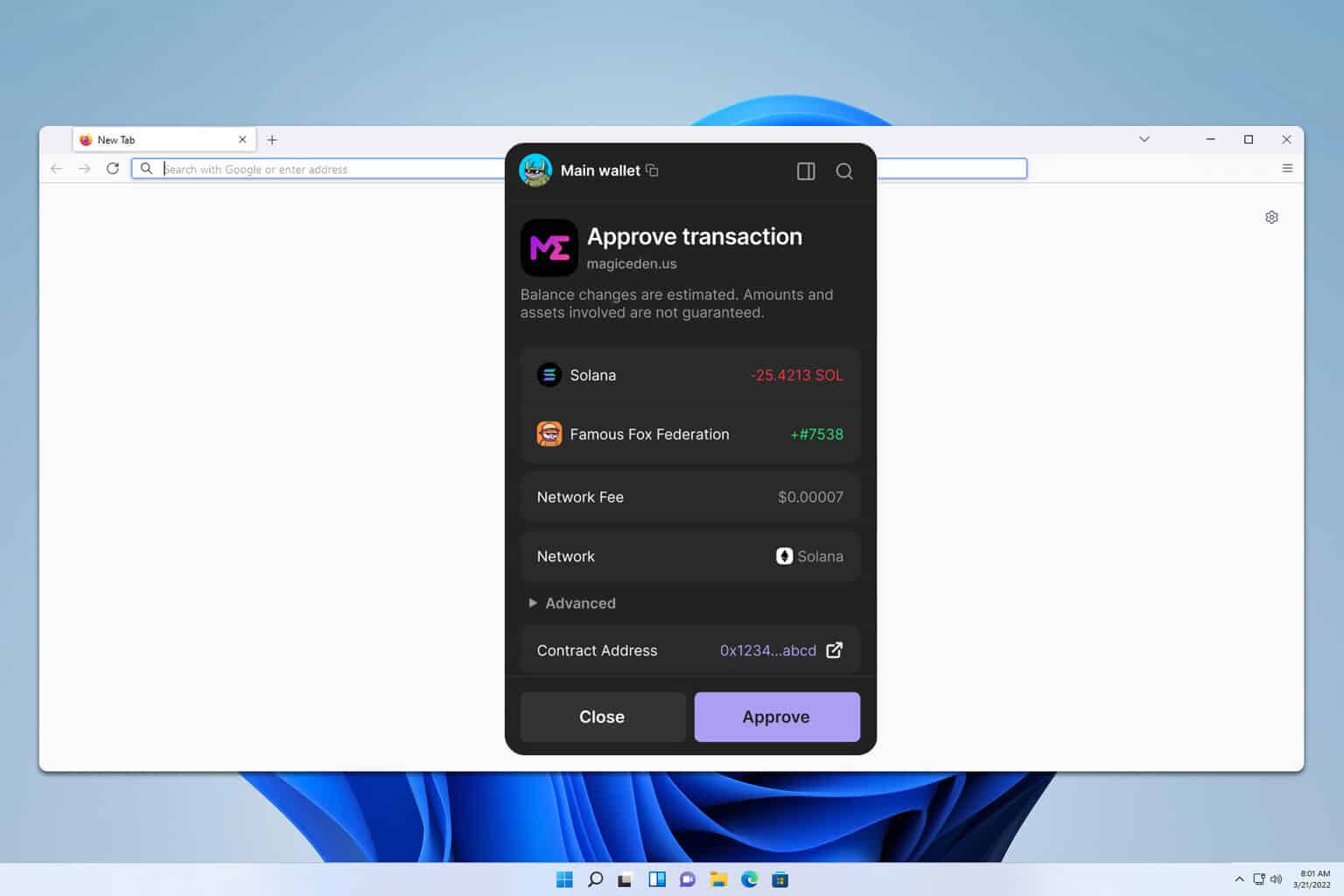
Also, phishing is real. My instinct will always be to double-check domain names and permissions. Phantom asks for permissions when dApps connect; use that pause. On one hand, many connections are harmless—on the other, a poorly vetted permission can lead to trouble. I try to grant the least privilege and revoke unused connections periodically.
NFTs, marketplaces, and the collector’s workflow
If you’re buying or selling art, Phantom streamlines common tasks: viewing collections, signing listings, and transferring assets. The gallery loads art thumbnails fast, which matters when you fat-finger on mobile or in a crowded Discord moment. (Oh, and by the way: the extension’s mobile companion is getting better—I’ve been using both and the parity is improving.)
Pro tip: when interacting with marketplaces, check where the sale will settle. Phantom will show the transaction details; read them. My habit is to pause, confirm the price and recipient, then sign. That two-second check has saved me from weird token swaps and bad listings more than once.
DeFi features and integrations
Phantom isn’t a full DeFi terminal, but it connects with the right tools. Built-in swaps cover quick trades, while deeper strategies route through Solana DEXes. If you use yield farms, stake SOL, or move between stablecoins, Phantom supports those flows without forcing you into a clunky interface.
On the other hand, very advanced traders will still rely on dedicated tools. Phantom is the hub—your entry point. From there, you can connect to specialized dApps for lending, liquidity provision, or multisig setups. I like that it keeps the base experience light and delegates complexity where it belongs.
Installing the extension (quick note)
Want to try it? If you’re ready to add Phantom to your browser, grab the official extension at this link: phantom wallet download extension. Make sure you’re installing from the official source and double-check the URL—again, phishing attempts are a thing. My rule: download, verify, then set up an offline backup right away.
Okay, so check this out—after installation, do a simple test: send a tiny amount of SOL to your wallet, confirm receipt, then try a small swap. That protects you from misconfigurations and gives you confidence before moving larger sums. It’s a small sandbox step but very practical.
FAQ
Is Phantom safe for holding NFTs long-term?
Yes, with caveats. Phantom stores your keys locally and supports hardware wallets for enhanced security. For long-term holding of valuable NFTs, pair Phantom with a Ledger or another hardware wallet and keep your recovery phrase offline.
Can I use Phantom across devices?
Phantom has a browser extension and a mobile app. You can sync via your seed phrase or connect a hardware wallet for cross-device consistency. Some features are smoother on desktop (like multiple dApp connections), while mobile is convenient for quick checks and trades.
What should I watch out for when connecting dApps?
Always review the permissions requested. Don’t approve full-access or unlimited spending unless you trust the dApp and it’s necessary. Revoke unused permissions in Phantom’s settings, and keep the extension updated to reduce exposure to vulnerabilities.
